
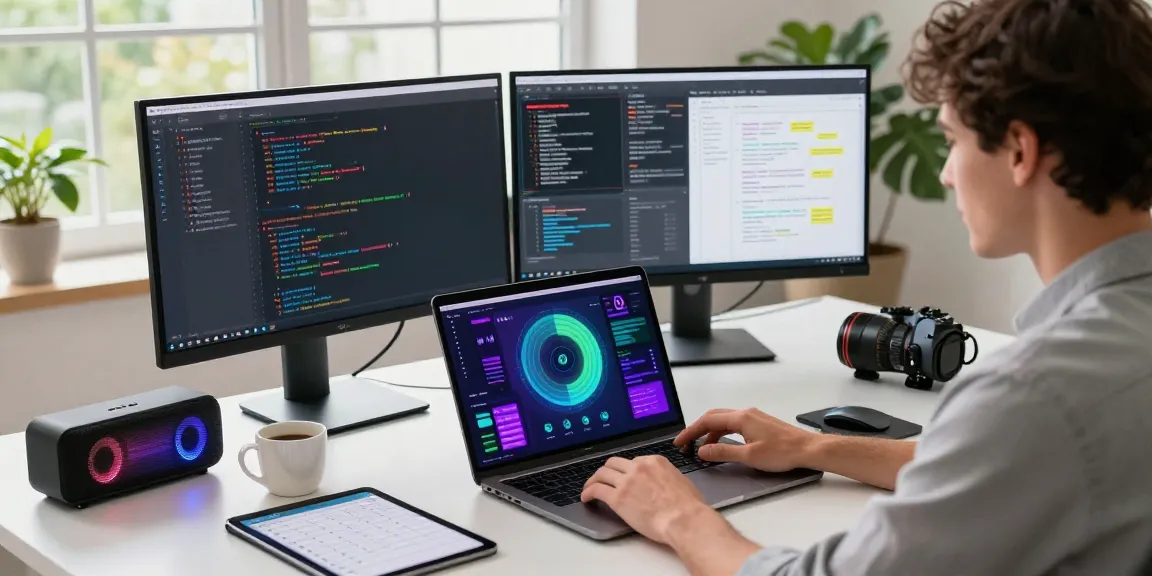
The Rise of AI Assistants in the Workplace
In recent years, the integration of AI assistant technology in the workplace has transformed how businesses operate. These innovative tools have redefined traditional processes, enabling enhanced productivity, streamlined communication, and better resource management. As companies continue to adapt to rapid technological advancements, the importance of AI assistants in creating efficient workflows and improving employee experiences has become more apparent.
What is an AI Assistant?
An AI assistant is a software application designed to perform tasks or services for individuals, powered by artificial intelligence technologies. Traditionally, these assistants have operated through voice commands or text input, providing users with immediate responses, reminders, and assistance with daily activities. The evolution of AI assistants has allowed for more sophisticated functionalities, including integrating machine learning algorithms, natural language processing, and predictive analytics. This gives them the capability to learn from user interactions and adapt to specific needs over time.
Key Benefits of Using AI Assistants
- Increased Efficiency: AI assistants can manage routine tasks, allowing employees to focus on higher-value work.
- 24/7 Availability: Unlike human counterparts, AI assistants can operate around the clock, providing support whenever required.
- Data Processing: These tools can analyze vast amounts of data quickly, helping in informed decision-making.
- Personalization: AI assistants learn user preferences over time, tailoring their responses and suggestions accordingly.
- Cost-Effective: By automating repetitive tasks, companies can reduce operational costs and minimize errors.
How AI Assistants Address Common Workplace Challenges
Many organizations face challenges related to time management, data overload, and insufficient communication. AI assistants tackle these issues effectively. For example, they can schedule meetings across different time zones, manage calendars, and remind team members about deadlines. Additionally, by sorting through emails and flagging important messages, these digital helpers ensure employees can prioritize essential tasks without becoming overwhelmed.
Top AI Assistant Tools for 2026
Overview of Popular AI Assistant Applications
As of 2026, several AI assistant applications have gained prominence in various industries, each offering unique features and functionalities. Noteworthy among them include:
- ChatGPT: Renowned for its conversational capabilities, this AI can generate natural language responses and assist with content creation.
- Google Assistant: Well-integrated into the Google ecosystem, this assistant works seamlessly across devices, improving productivity.
- Amazon Alexa: Initially designed for home automation, Alexa has expanded its use in corporate environments to facilitate communication and organization.
- Cortana: Microsoft’s AI has refocused on enterprise solutions, enhancing task management and productivity tracking within the Microsoft ecosystem.
Comparative Analysis of AI Assistant Features
When selecting an AI assistant, businesses must consider several key features such as:
- Integration: How well does the assistant integrate with existing tools and platforms?
- Customization: Can users tailor the assistant’s functionality to fit their specific workflows?
- Security: Is the assistant compliant with industry standards regarding data protection?
- User Interface: Is the interface intuitive and user-friendly for all employees?
User Feedback and Performance Metrics
Evaluating user feedback and performance metrics is crucial when assessing the effectiveness of an AI assistant. Businesses should look for tools with high user satisfaction ratings, rapid response times, and measurable improvements in productivity. Regular updates and enhancements based on user feedback also indicate a commitment to continuous improvement.
Implementing AI Assistants in Your Business
Steps to Integrate AI Assistants into Daily Operations
Successfully incorporating AI assistants into your workflow requires a strategic approach. Here are key steps organizations should take:
- Assess Needs: Identify specific tasks that could benefit from automation and support.
- Select the Right Tool: Based on the assessment, choose an AI assistant that aligns with your business requirements.
- Train Employees: Provide training sessions to ensure that all team members can utilize the assistant effectively.
- Monitor & Adjust: Regularly track the assistant’s performance and make necessary adjustments based on user feedback.
Best Practices for Effective Use of AI Assistants
To maximize the effectiveness of AI assistants, organizations should adopt best practices such as encouraging regular use among employees, integrating the assistant into team workflows seamlessly, and establishing guidelines for task delegation. Additionally, fostering a culture of openness towards technology can enhance acceptance and usage rates.
Measuring Success: KPIs for AI Assistant Implementation
Establishing key performance indicators (KPIs) is essential for gauging the success of AI assistant integration. Possible KPIs include:
- Task Completion Rates: Measure the percentage of tasks completed successfully with the assistant’s help.
- User Satisfaction Scores: Conduct surveys to gain insights into user experiences and satisfaction with the AI assistant.
- Time Savings: Calculate the time saved on tasks that the AI assistant manages compared to traditional methods.
Future Trends in AI Assistant Technology
Emerging Developments in AI Assistant Features
The future of AI assistants is likely to be characterized by more advanced functionalities. Innovations such as enhanced natural language processing, improved context understanding, and integration with augmented reality (AR) are anticipated. These advancements will enable AI assistants to provide more nuanced, context-aware responses to user interactions.
Predictions for AI Assistants Beyond 2026
Looking ahead, AI assistants will be increasingly embedded in business processes, evolving from simple task automators to comprehensive business advisors. We expect assistants to analyze business data at unprecedented levels, providing predictive analytics to guide decision-making. Moreover, AI assistants may also evolve to handle complex negotiations and manage professional relationships more effectively.
Impact of AI Assistants on Work Culture and Productivity
The inclusion of AI assistants in the workplace is poised to shift work culture significantly. By automating mundane tasks, employees will have more time to focus on creativity and innovation, leading to greater job satisfaction and productivity. Furthermore, as organizations embrace AI technology, a collaborative relationship between human workers and AI is expected to emerge, creating a more dynamic and responsive workplace environment.
Frequently Asked Questions
How do AI assistants improve efficiency?
AI assistants improve efficiency by automating repetitive tasks, managing schedules, and providing quick access to information, allowing employees to focus on strategic initiatives rather than mundane activities.
Are AI assistants suitable for all businesses?
While AI assistants can benefit many organizations, the suitability depends on the business type, size, and the specific tasks that need automation. Small businesses may find particular applications more advantageous than others.
What are some key features to look for in an AI assistant?
Key features include integration capabilities, user-friendly interfaces, security compliance, and the ability to customize the assistant’s functionalities to meet specific business needs.
Can AI assistants help with customer service?
Yes, AI assistants can enhance customer service by managing inquiries, providing information, and automating responses to frequently asked questions, leading to improved customer satisfaction.
What’s the future of AI assistants in the workplace?
The future of AI assistants is bright, with expected advancements in machine learning and AI capabilities. They will likely play a crucial role in decision-making processes and employee support, significantly transforming how work is done.