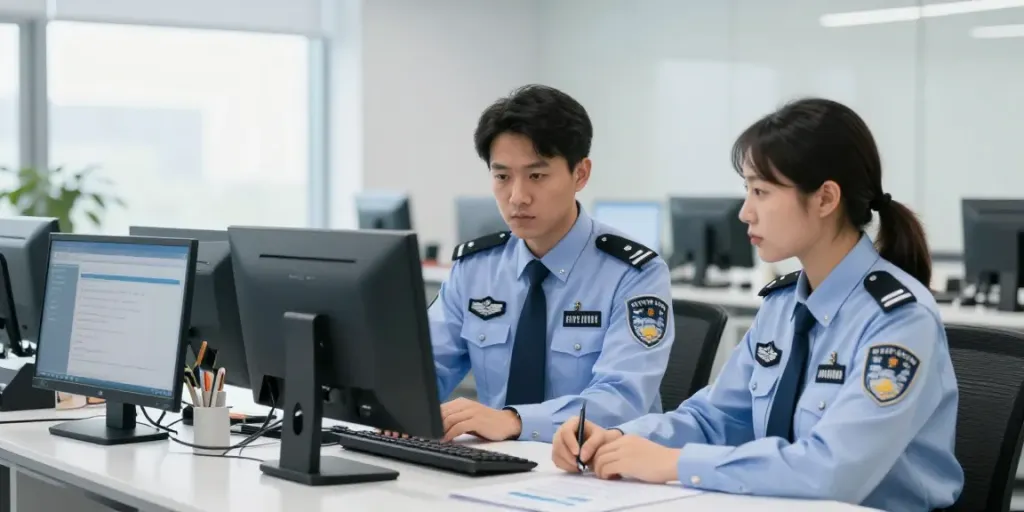
Understanding Corporate Security and Its Importance
Corporate security is an essential component for any business looking to protect its personnel, assets, and operations from a myriad of threats. In today's increasingly complex environment, characterized by technological advancements and evolving threats, the importance of having robust corporate security measures in place cannot be overstated. Companies must be proactive in safeguarding their operations not just from external threats such as burglary or vandalism, but also from internal issues like data breaches or employee misconduct. Enlisting the help of a professional security company can provide businesses with significant advantages, allowing them to efficiently manage risks and focus on their core operations. When exploring options, Corporate Security is a crucial consideration for entities of all sizes.
What is Corporate Security?
Corporate security encompasses a broad range of measures designed to protect businesses from internal and external threats. This can include physical security such as manned guarding, electronic surveillance, and access control, as well as administrative measures such as risk assessments, employee training, and crisis management planning. Essentially, corporate security is about implementing comprehensive safeguards to ensure a safe and secure operating environment.
Key Benefits of Corporate Security for Businesses
Implementing effective corporate security systems offers numerous advantages, including:
- Asset Protection: Preventing theft of physical and intellectual property.
- Risk Management: Identifying and mitigating potential threats before they escalate.
- Employee Safety: Ensuring a safe working environment increases employee morale and productivity.
- Business Continuity: Maintaining operations during emergencies and minimizing downtime.
- Reputation Management: A strong security posture enhances trust and confidence among clients and stakeholders.
Types of Threats Addressed by Corporate Security
Businesses face a variety of risks that corporate security helps to mitigate. These threats can include:
- Physical Threats: Theft, vandalism, and workplace violence.
- Cyber Threats: Data breaches, malware attacks, and phishing scams.
- Environmental Hazards: Natural disasters, fire, and other emergencies that may disrupt operations.
- Reputational Threats: Negative publicity from security incidents or breaches.
How to Choose the Right Corporate Security Provider
Selecting a corporate security provider is a critical decision for any business. The right provider will not only meet your security needs but will also help you manage risk effectively. Here are some key considerations for making your choice:
Licensing and Accreditation Requirements
Before hiring a security provider, ensure they possess the appropriate licenses and accreditations. In the UK, security companies should be accredited by the Security Industry Authority (SIA) and may also hold certifications from organizations like NSI or ISO to demonstrate compliance with industry standards. These qualifications ensure that the company meets rigorous operational standards and regularly undergoes inspections.
Questions to Ask Potential Security Providers
When evaluating potential security providers, ask specific questions to gauge their expertise and reliability. Consider inquiring about:
- What type of training programs do their security personnel undergo?
- Can they provide case studies or testimonials from past clients?
- What technologies do they utilize for surveillance and incident response?
- How do they handle emergency situations or breaches?
Evaluating Customer Reviews and Testimonials
Customer feedback provides valuable insights into a security company's performance and reliability. Look for reviews on independent platforms and consider reaching out to past clients to gauge their satisfaction with services provided. A history of positive feedback and testimonials can indicate a trustworthy provider.
Corporate Security Pricing: What to Expect
Understanding pricing for corporate security services is paramount for businesses looking to manage their budgets effectively. Different providers may have various pricing structures based on their service offerings, scope of work, and market conditions.
Average Costs for Corporate Security Services
On average, the cost of hiring security services in the UK ranges from £12 to £20 per hour for basic guarding services. For specialized security needs, such as event security or corporate investigations, rates may increase significantly. It is advisable to request detailed quotes to understand the costs associated with specific security measures tailored to your business needs.
Factors Influencing Pricing
Several factors can influence the overall cost of corporate security services:
- Service Complexity: More complex security needs require more specialized personnel and planning, leading to higher costs.
- Duration of Service: Long-term contracts may offer better rates compared to short-term arrangements.
- Location: Urban areas with higher crime rates may incur higher service costs due to heightened security requirements.
Comparative Analysis: DIY vs. Professional Security Services
While some businesses may consider handling security in-house, partnering with a professional security firm often provides a higher level of expertise and effectiveness. Professional services come with pre-trained staff, advanced technologies, and regulatory compliance, offering greater overall value and peace of mind compared to a DIY approach.
Seasonal Security Considerations for Businesses
Businesses should develop proactive security plans that take into account seasonal variations. For instance, holiday seasons can bring increased foot traffic and potential security risks, necessitating enhanced security measures. Here are some strategies to manage seasonal security effectively:
Planning for Seasonal Events and Risks
Understanding the seasonal events that may affect security helps businesses prepare properly. This could include increased shoplifting during the holidays or heightened risks during summer festivals. Developing comprehensive plans that address these potential risks can mitigate issues and ensure safety.
Maintaining Security During Busy Periods
During peak seasons, consider increasing security personnel or employing advanced surveillance technologies like remote monitoring systems. This allows businesses to maintain a secure environment without relying solely on physical presence, especially during high-traffic periods.
Adjusting Security Strategies to Meet Seasonal Demands
Evaluate your security strategies based on feedback and trends observed during previous seasons. This proactive approach will help you refine your security measures to effectively address the unique challenges that arise during busy periods.
The Role of Community Involvement in Corporate Security
Effective corporate security doesn't operate in a vacuum; community involvement is essential to fostering trust and collaboration. Security companies that engage with local communities often find enhanced cooperation and a greater commitment to safety.
Building Trust with Local Businesses and Clients
Establishing relationships with nearby businesses and clients can enhance a security provider's effectiveness. Local partnerships enable security firms to better understand regional risks and facilitate a collaborative approach to safety.
Collaborations with Local Law Enforcement
Creating partnerships with local law enforcement agencies is another way to bolster security initiatives. Good relationships can improve emergency response times and provide vital support during security events.
Community Events: Promoting Safety and Awareness
Participating in community events allows security providers to educate the public about safety practices and promote a culture of security awareness. This proactive approach fosters goodwill and strengthens community ties, creating a safer environment for everyone.
FAQs
What qualifications should a corporate security company have?
Look for businesses that are accredited, licensed, and insured. The Security Industry Authority (SIA) in the UK is a critical body that regulates the industry, so SIA accreditation is crucial.
How can businesses assess their security needs?
Conducting a thorough risk assessment is essential to identify vulnerabilities and determine the level of security needed. This includes evaluating operational processes, locations, and specific threats.
What is the difference between corporate security and personal security?
Corporate security focuses on protecting business assets and personnel, while personal security pertains to individuals' protection in private settings, such as high-profile clients requiring close protection services.. Additionally, Corporate Security provides further details.