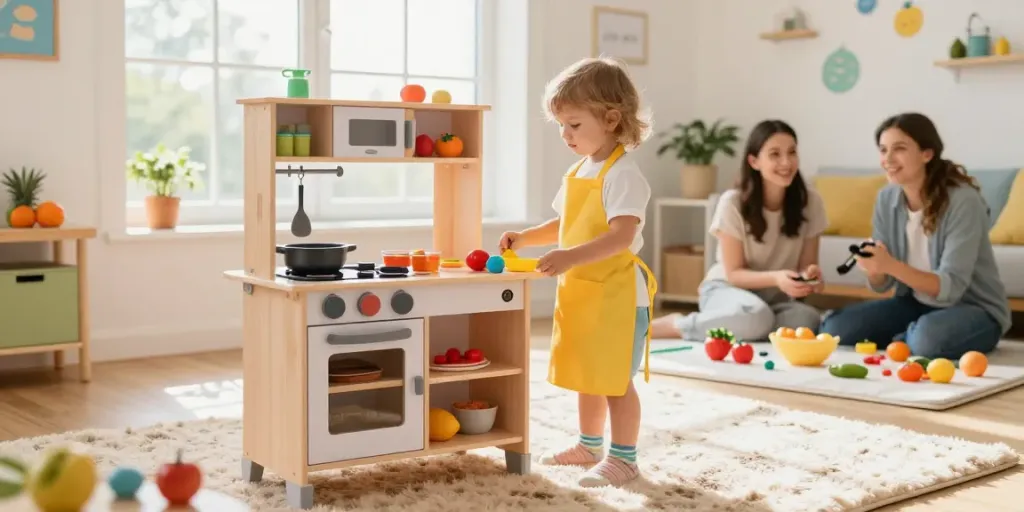
The Importance of Kids Kitchen Playsets
Kids' kitchen playsets have become a staple in many households, promoting not just entertainment but a wealth of developmental benefits. These miniature culinary worlds enable children to engage in imaginative play, allowing them to mimic the actions of adults and develop essential skills. When exploring options, kids kitchen sets provide comprehensive insights into what features can best encourage your child's growth through play.
Enhancing Imagination and Creativity
One of the most significant advantages of children playing with kitchen sets is the enhancement of their imagination and creativity. As they concoct imaginary recipes and engage in role-playing scenarios, kids step into a world limited only by their creativity. These experiences foster cognitive skills as children learn to problem-solve and think critically about their "cooking" tasks.
Developing Social Skills through Role Play
Role-play is a crucial aspect of social development. By pretending to cook and serve meals, children practice cooperation, sharing, and communication. Whether playing alone or with peers, they learn to negotiate roles and express themselves, thereby improving their social competence. This skill set is vital as they prepare to interact with classmates and friends.
Encouraging Fine Motor Skills
Kids' kitchen playsets often come with various utensils, appliances, and food items designed to enhance fine motor skills. Handling small objects such as toy food items or using pretend tools helps develop hand-eye coordination and dexterity. These skills are fundamental to later tasks, such as writing and self-care.
Choosing the Right Kids Kitchen for Your Child
Selecting the right kitchen set can seem daunting given the plethora of options available. However, understanding your child's needs and preferences can streamline the decision-making process. Consider their age, interests, and the space you have available for play.
Age-Appropriate Kitchen Sets
Kids’ kitchen sets come in various sizes and styles designed for different age groups. For toddlers, sets with larger pieces and fewer intricate parts are more suitable, while preschoolers might enjoy more detailed sets that mimic real kitchens. It’s essential to select a kitchen that matches your child's developmental stage to ensure they get the most out of playtime.
Material Quality and Safety Standards
Always prioritise safety when selecting a kitchen playset. Look for products made from non-toxic materials, ideally with certifications that guarantee safety standards are met. Wooden play kitchens are often more durable and environmentally friendly compared to plastic options, making them a wise investment for families concerned with sustainability.
Size and Space Considerations
Before purchasing a kitchen set, assess the space available in your home. A large, elaborate kitchen playset may not be suitable for smaller rooms. Conversely, if space allows, consider a more expansive set that includes multiple features like a sink, stove, and storage areas to enhance playtime versatility.
Features That Foster Learning and Engagement
Modern kids' kitchen sets are equipped with interactive elements that significantly enhance the play experience. When looking for features, consider what will most effectively engage your child and encourage learning.
Interactive Elements for Realistic Play
Many contemporary kitchen sets include lights, sounds, and moving parts. These interactive components make playtime more engaging, mirroring a real cooking experience. For example, sets with toy ovens that provide an oven light or realistic sound effects can transport children into their culinary dream world.
Incorporating Educational Themes
Educational themes can be woven into playset designs, marrying fun with learning. For example, some kitchen playsets integrate concepts of nutrition, teaching children about healthy eating habits through the types of food included. Others may focus on cultural diversity, showcasing meals from around the globe.
Accessories That Enhance Playtime
To enrich the experience further, consider adding accessories such as play food, utensils, and chef costumes. These items not only extend play opportunities but also encourage children to get fully immersed in their role as a chef. Accessories that allow for real cooking mimicry, such as pots and pans, can inspire creativity and collaboration during playtime.
Care and Maintenance of Kids Kitchen Sets
To ensure longevity and safe usage, proper care and maintenance of kids' kitchen playsets are essential. Regular upkeep will not only keep the kitchen looking new but also safe for ongoing play.
Cleaning and Sanitising Tips
Regular cleaning should be part of your routine, especially if the playset includes food items. Soft cloths, warm water, and mild soap can effectively remove dirt and germs. For wooden kitchens, be cautious with excess moisture, while plastic components can often withstand more rigorous cleaning methods.
Longevity: Keeping the Playset in Good Condition
Inspect the kitchen set regularly for any signs of damage or wear and tear. Tighten screws and fix any broken parts as necessary to ensure safety while playing. Storing kitchen sets in a dry place can prevent deterioration due to moisture.
When to Upgrade or Replace
Children outgrow toys quickly, which can necessitate upgrading or replacing kitchen sets as they age. Signs that it’s time for a new kitchen set include damage that cannot be repaired, a lack of interest in the current set, or a desire for more advanced features as developmental skills progress.
Future Trends in Kids Kitchen Playsets
The future of kids' kitchen playsets looks promising, with trends indicating a shift toward more sustainable and technologically integrated options. Here’s what to anticipate in upcoming years.
Eco-friendly and Sustainable Materials
With growing awareness about environmental issues, many manufacturers are opting to create kitchen sets from eco-friendly materials. Look out for playsets made from recycled plastics or sustainably sourced wood, which not only reduce environmental impact but also instill values of sustainability in children.
Integration of Technology in Playsets
As technology evolves, so do playsets. Future kitchens may feature app integrations that allow children to cook virtually, teaching them how to follow recipes and manage kitchen tasks digitally, in addition to their physical play. This integration can provide a unique blend of traditional play and modern technology.
The Rise of Customisable Kitchen Experiences
Customisable kitchen sets are likely to grow in popularity, allowing children to personalise their play environment. Features may include adjustable counters, modular components that can be rearranged, and the option to select themes or styles, fostering a sense of ownership in their playset.
What is the best kitchen for kids?
The best kitchen for kids ultimately depends on their age, interests, and the features that engage them the most. High-quality wooden sets are typically popular due to their durability and aesthetic appeal.
What age to get rid of kids kitchen?
A general guideline suggests that children transition from kitchen playsets around the age of 6 or 7, depending on their interests. However, this can vary for each child, so it’s best to consider their individual engagement levels.
How much does a kitchen set for kids cost?
Prices for kids’ kitchen sets range widely, typically starting around £50 and going up to several hundred pounds for high-end, elaborate sets. Factors influencing the cost include size, material, and features.
Where can you buy kids kitchens?
Kids' kitchens can be found at various retailers, both online and in physical stores. Popular options include toy stores, major department stores, and specialised websites such as the Costway platform.
What accessories are essential for a kids kitchen?
Essential accessories for a kids' kitchen often include play food, cooking utensils, pots, and pans. Additionally, items like aprons and chef hats can enhance the experience, making playtime more stimulating and fun.